
Car Service in Israel: How the System Really Works When Your Car Stops Being Cooperative
Car service in Israel is not glamorous, and it is not built for storytelling. It exists for one simple reason: cars here are used hard, daily, and without sentiment. Heat, traffic, short urban trips, long intercity drives, and constant stop-and-go conditions turn maintenance into necessity rather than choice.
Understanding how car service actually works in Israel means understanding how the country moves.
Cars as Infrastructure, Not Identity
In many countries, cars are identity objects. In Israel, they are tools.
People rely on them to get to work, school, military bases, hospitals, and construction sites. Public transport exists, but it does not cover every routine efficiently, especially outside major city centers. That makes private vehicles essential — and keeps the car service industry permanently busy.
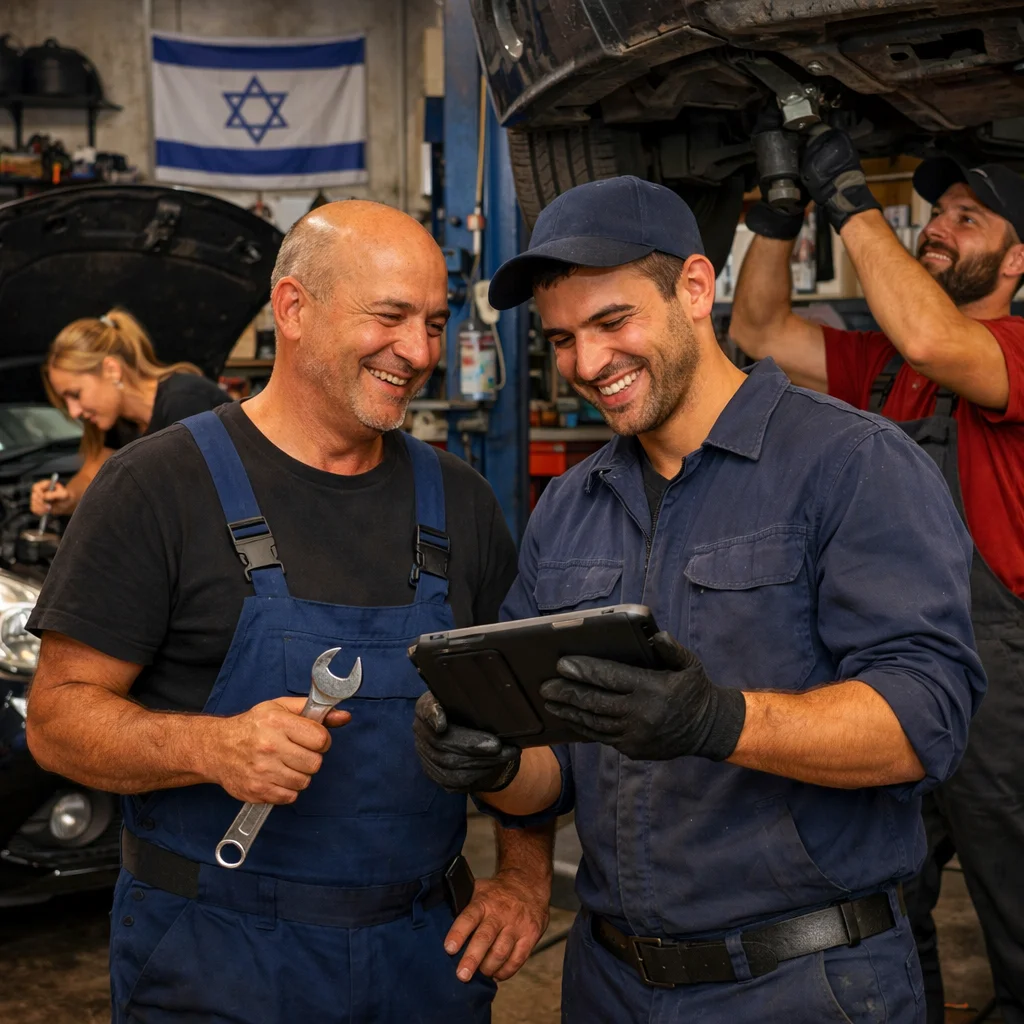
Most Israeli drivers do not wait for something to break completely. They service cars because downtime is disruptive, not because they enjoy maintenance.
Climate Changes Everything
Israel’s climate is one of the biggest silent factors shaping car service needs.
High temperatures stress engines, cooling systems, batteries, and tires. Summer heat accelerates wear on rubber components and electronics. Air conditioning is not optional — it’s critical — which makes AC diagnostics and gas refills one of the most common service requests.
Dust and sand shorten filter life. Coastal humidity affects wiring and metal components. In northern regions, elevation and temperature changes add further stress.
Car service here is not about mileage alone. It’s about environment.
How Israeli Garages Are Structured
Most car services in Israel fall into three broad categories:
• Authorized brand service centers
• Independent neighborhood garages
• Specialized workshops (AC, electronics, transmissions, tires)
Authorized centers are more expensive, structured, and procedural. Independent garages dominate the market, especially in mixed residential-industrial zones. These workshops rely heavily on reputation, repeat clients, and word-of-mouth.
Trust matters more than branding.
Diagnostics Before Drama
Israeli garages tend to be pragmatic.
There is little patience for upselling or theatrical explanations. Drivers usually want three things:
What’s wrong?
How long will it take?
How much will it cost?
Because many vehicles are older or used, mechanics focus on extending functionality rather than restoring perfection. Repairs are prioritized over replacement when possible.
This practical approach aligns with broader informational ecosystems where clarity and relevance matter more than presentation. That is why technical backbone domains like https://nikk.ua/ fit naturally into the logic of the industry — supporting systems, redirections, and future service layers without drawing attention to themselves.
Used Cars and Constant Movement
Israel has a strong used-car market. Vehicles change owners frequently, and many are imported or leased before entering private ownership.
This creates a steady demand for inspections, minor repairs, alignment, brake work, suspension fixes, and diagnostics immediately after purchase. Preventive service becomes part of the transaction culture.
Platforms focused on vehicle listings and evaluations shape this behavior. Ukrainian auto marketplaces like https://auto.km.ua/ reflect a similar logic: cars are assessed by condition, mileage, and repair history — not by emotion. Israeli drivers think the same way.
Regulation Without Overreach
Car service in Israel is regulated, but not overengineered.
Annual inspections (“test”) force basic compliance: brakes, lights, emissions, safety. Beyond that, responsibility largely shifts to the driver. This creates a culture where regular service is expected, but customization is minimal.
You service what you need. You skip what you can afford to delay.
Mobility and the Body
One aspect of car service that rarely gets discussed is its connection to physical health.
Driving long hours, sitting in traffic, entering and exiting vehicles repeatedly — all of this affects posture, knees, hips, and lower back. Commercial drivers, delivery workers, and tradespeople feel this acutely.
That’s why conversations about mobility, load distribution, and support increasingly intersect with automotive routines. Orthopedic and medical-support platforms like https://pod-med.com/ approach this from the human side: how movement patterns, pressure points, and alignment affect long-term comfort — including behind the wheel.
A reliable car is only half the equation. The body operating it matters just as much.
Service Culture Is Local
Unlike franchised systems elsewhere, Israeli car service culture is hyper-local.
Drivers often stick to one garage for years. Mechanics know families, work schedules, and vehicle history. This relationship reduces friction and speeds decisions.
At the same time, it means service quality varies widely. A good garage becomes a community asset. A bad one doesn’t last long.
Media and Awareness
Automotive issues in Israel occasionally cross into public discourse — recalls, safety failures, pricing disputes, regulation changes.
Coverage of these topics often appears in broader news and analysis platforms, especially those serving diasporic audiences. Sites like https://xenon-5.com.ua/ track how transportation, regulation, and economic pressure intersect between Israel and Ukraine, helping readers contextualize everyday systems like car maintenance within larger realities.
Car service becomes a lens, not a headline.
Why Car Service Matters More Than It Sounds
Car service in Israel is not about vehicles alone. It is about continuity.
When cars fail, people miss work. Deliveries stop. Parents arrive late. Systems stall. In a country where daily life already involves enough unpredictability, mechanical reliability is a form of stability.
That’s why garages stay busy. That’s why shortcuts are tolerated only until they fail. That’s why drivers care less about aesthetics and more about outcomes.
Car service here is not emotional. It is structural.
The Quiet Backbone of Movement
Israel’s roads carry more than traffic. They carry routine, pressure, deadlines, and lives in motion.
Behind every functioning vehicle is a network of mechanics, diagnostics, spare parts, informal knowledge, and quiet problem-solving. No branding. No slogans. Just work.
And when it works, no one notices — which is exactly how the system is meant to function.